
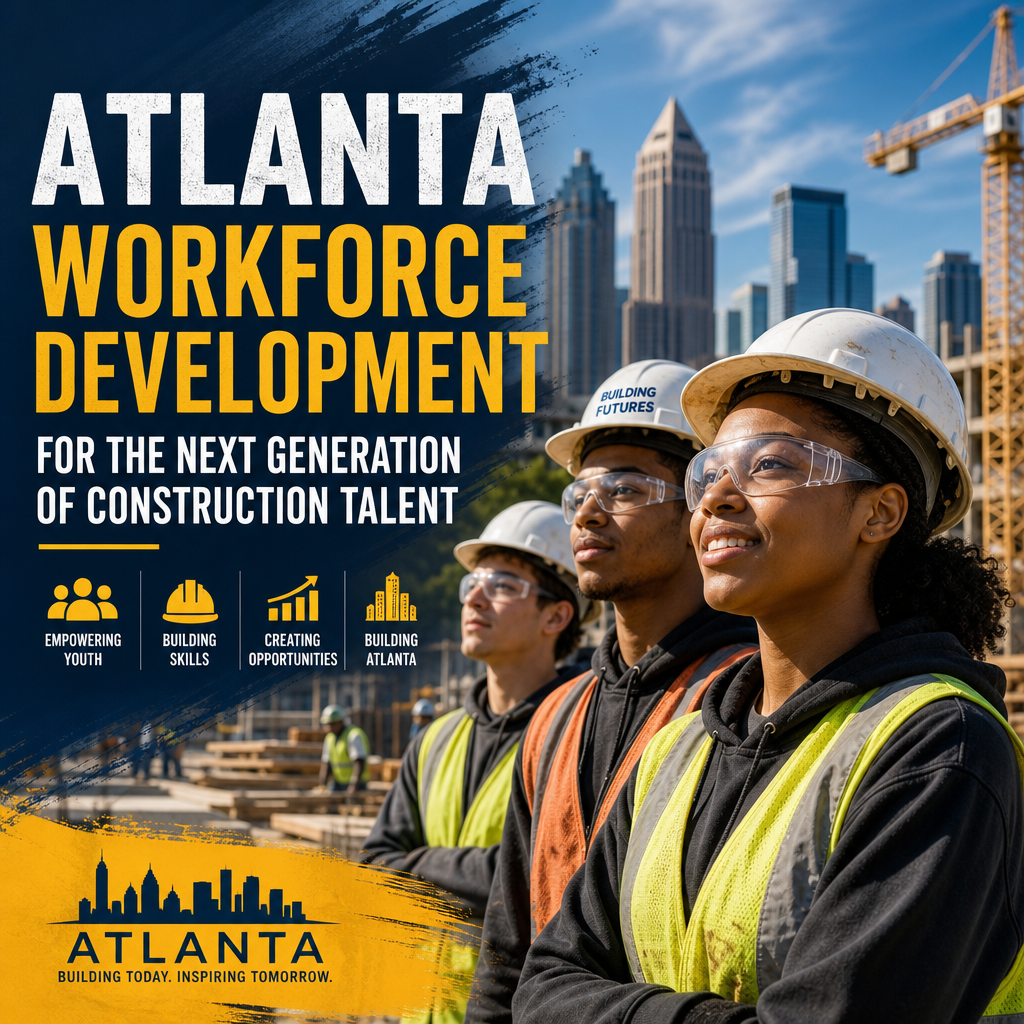
Atlanta Workforce Development for the Next Generation of Construction Talent
Atlanta Workforce Development: Preparing the Next Generation of Construction Talent
Atlanta is growing fast, and with that growth comes an urgent need for skilled construction workers. From new commercial buildings to infrastructure upgrades and residential expansion, the region depends on a steady pipeline of trained talent. That is why Atlanta workforce development has become such an important topic for employers, educators, and community leaders alike.
The construction industry is not only building structures. It is also building careers, supporting families, and shaping the future of the city. To keep pace with demand, Atlanta must invest in programs that attract, train, and retain the next generation of construction talent.
Why Construction Workforce Development Matters
Construction is a hands-on industry that requires a mix of technical knowledge, safety awareness, problem-solving, and teamwork. Yet many employers today face a serious labor shortage. As experienced workers retire, fewer young people are entering the field, and some don’t know where to start.

That gap creates challenges for contractors, developers, and project managers. Delays, higher labor costs, and skill shortages can affect timelines and budgets. Workforce development helps close that gap by creating pathways into construction careers and ensuring workers are prepared for the demands of the job.
In Atlanta, where growth continues across nearly every sector, this work is especially important. Without a strong talent pipeline, the city’s construction boom could slow down.
Building Career Pathways Early
One of the most effective ways to strengthen the construction workforce is to start early. High school students, recent graduates, and young adults often need more exposure to the opportunities available in the trades. Many are unaware that construction offers competitive pay, long-term career growth, and room to specialize in different areas.
Schools, technical colleges, and training organizations can help by offering:
- Career exploration programs
- Trade-focused classroom instruction
- Apprenticeships and pre-apprenticeships
- Site visits and job shadowing
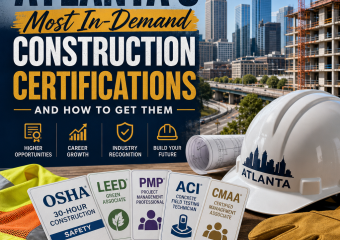
- Certifications in safety and equipment use
These experiences give students a clearer picture of what construction careers look like and how to enter the field. They also help employers connect with motivated candidates before they enter the broader job market.

The Role of Apprenticeships and Training Programs
Apprenticeships remain one of the strongest tools in Atlanta workforce development. They combine paid on-the-job training with classroom learning, allowing workers to build skills while earning income. This model benefits both workers and employers.
For workers, apprenticeships offer a practical entry point into the industry without requiring a traditional four-year degree. For employers, they create a reliable way to train talent to meet specific jobsite standards and company expectations.
Effective training programs often cover:
Core construction skills
Workers need knowledge in areas such as framing, concrete work, electrical systems, plumbing, welding, and finishing.
Safety training
Construction sites require strict safety practices. Training in fall protection, PPE, equipment handling, and hazard recognition is essential.
Soft skills
Communication, time management, reliability, and teamwork are just as important as technical ability.
Leadership development
As workers gain experience, they should also have opportunities to move into foreman, supervisor, or project management roles.
When training programs are aligned with industry needs, they help produce workers who are ready to contribute from day one.
Partnerships Drive Better Results
No single organization can solve workforce challenges alone. The most successful efforts in Atlanta often come from partnerships between employers, schools, nonprofits, local government, and community groups. These collaborations help connect education with real job opportunities.
For example, a contractor may work with a technical school to design a curriculum based on current field requirements. A nonprofit may help recruit underrepresented groups into the trades. A city agency may support funding for training and apprenticeship expansion. Together, these efforts create a stronger and more inclusive workforce ecosystem.
Partnerships also help expand access to careers for women, veterans, immigrants, and others who may be underrepresented in construction. A broader talent pool strengthens the entire industry.
Technology Is Changing the Skill Set
Modern construction is more advanced than ever. Workers today often need to understand digital tools, project management software, and updated equipment. Drones, building information modeling, and smart jobsite technology are becoming more common on projects across Atlanta.
That means workforce development must evolve too. Training should not only teach traditional trade skills but also prepare workers for technology-driven work environments. Young talent is often comfortable with technology, which can be an advantage if programs help them apply those skills to construction.
By integrating technology into training, Atlanta can prepare workers for both current roles and future industry changes.
Creating Long-Term Career Growth
A strong workforce strategy should do more than fill entry-level positions. It should create a path for long-term advancement. When workers see a future in construction, they are more likely to stay in the industry and continue developing their skills.
Employers can support retention by offering:
- Clear promotion paths
- Ongoing training and certifications
- Competitive wages and benefits
- Mentorship from experienced professionals
- Recognition for performance and growth
When construction jobs are treated as careers rather than temporary work, the industry becomes more stable and attractive to new talent.
The Future of Atlanta’s Construction Workforce
Atlanta’s continued growth depends on the people who build it. Preparing the next generation of construction talent is not just a workforce issue; it is a community priority. Strong training programs, early career exposure, and industry partnerships can help ensure the city has the skilled workers it needs for years to come.
By investing in Atlanta workforce development today, the region can create more opportunities for workers, more stability for employers, and a stronger foundation for future growth. The result is a construction industry that is better prepared, more resilient, and ready to shape Atlanta’s next chapter.