
Atlanta Construction Job Market Trends and Opportunities in 2026
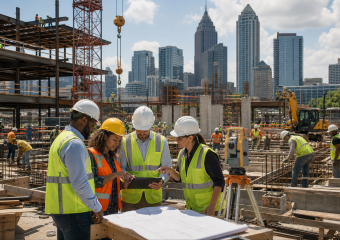
Atlanta’s construction job market in 2026 is supported by residential, commercial, infrastructure, and public development. These projects create opportunities for entry-level workers, skilled tradespeople, equipment operators, engineers, project managers, supervisors, and safety professionals.
Technology such as digital project-management systems, building information modeling, and drones is changing construction practices. Demand may continue for workers with trade experience, technology skills, and safety training, although project activity remains influenced by economic conditions, financing, and local development.
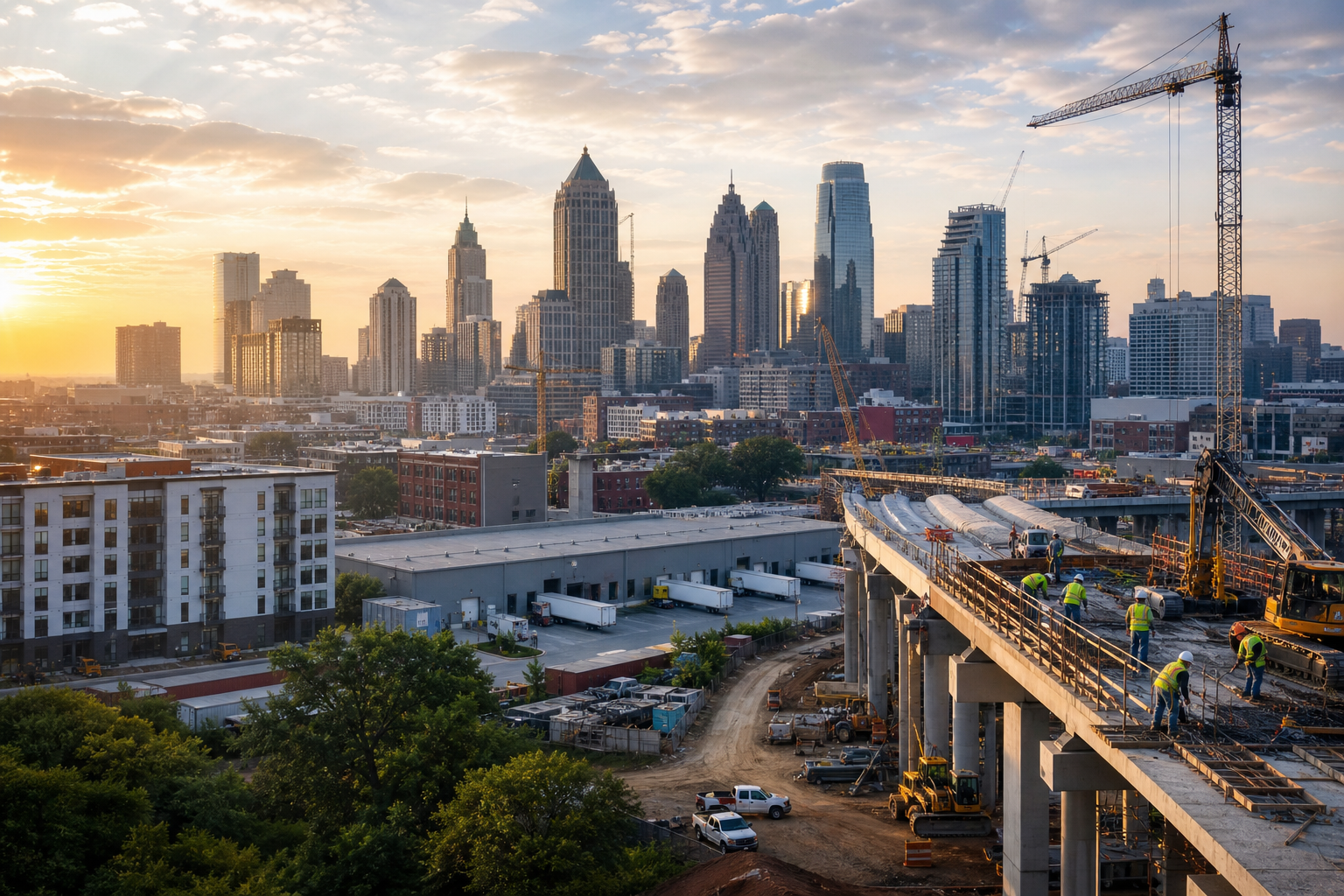
Atlanta’s construction industry is continuing to change in 2026 as new development projects, infrastructure improvements, and population growth create demand for construction workers. Residential buildings, commercial properties, roads, and public facilities are contributing to ongoing activity across the Atlanta area. These projects are creating opportunities for workers with different levels of experience, from entry-level positions to skilled trades and management roles.
One important trend in Atlanta’s construction job market is the growing demand for skilled workers. Electricians, plumbers, carpenters, equipment operators, welders, and other specialized workers remain important for completing modern construction projects. Companies are also looking for project managers, engineers, safety professionals, and supervisors who can help manage larger and more complex developments.
Technology is also changing how construction companies work in Atlanta. Digital project-management systems, building information modeling, drones, and other construction technologies can help companies plan projects, monitor progress, and improve communication. Workers who understand both construction practices and new technologies may find more opportunities as companies adopt these tools.

Another trend to watch in 2026 is the continued development of residential and commercial properties. New housing, offices, retail spaces, warehouses, and mixed-use developments can support construction employment while also creating related jobs in transportation, materials, equipment, and project services. The pace of these projects can vary depending on economic conditions, financing, and local development activity.
Overall, Atlanta’s construction job market in 2026 is being shaped by development, technology, and the need for skilled workers. As construction projects become more technology-driven, workers may benefit from practical experience as well as training in modern tools and safety practices. These trends will continue to influence the types of construction jobs available across the Atlanta area.