
The Role of Project Controls Managers in Atlanta’s Mega-Projects
The Role of Project Controls Managers in Atlanta’s Mega-Projects
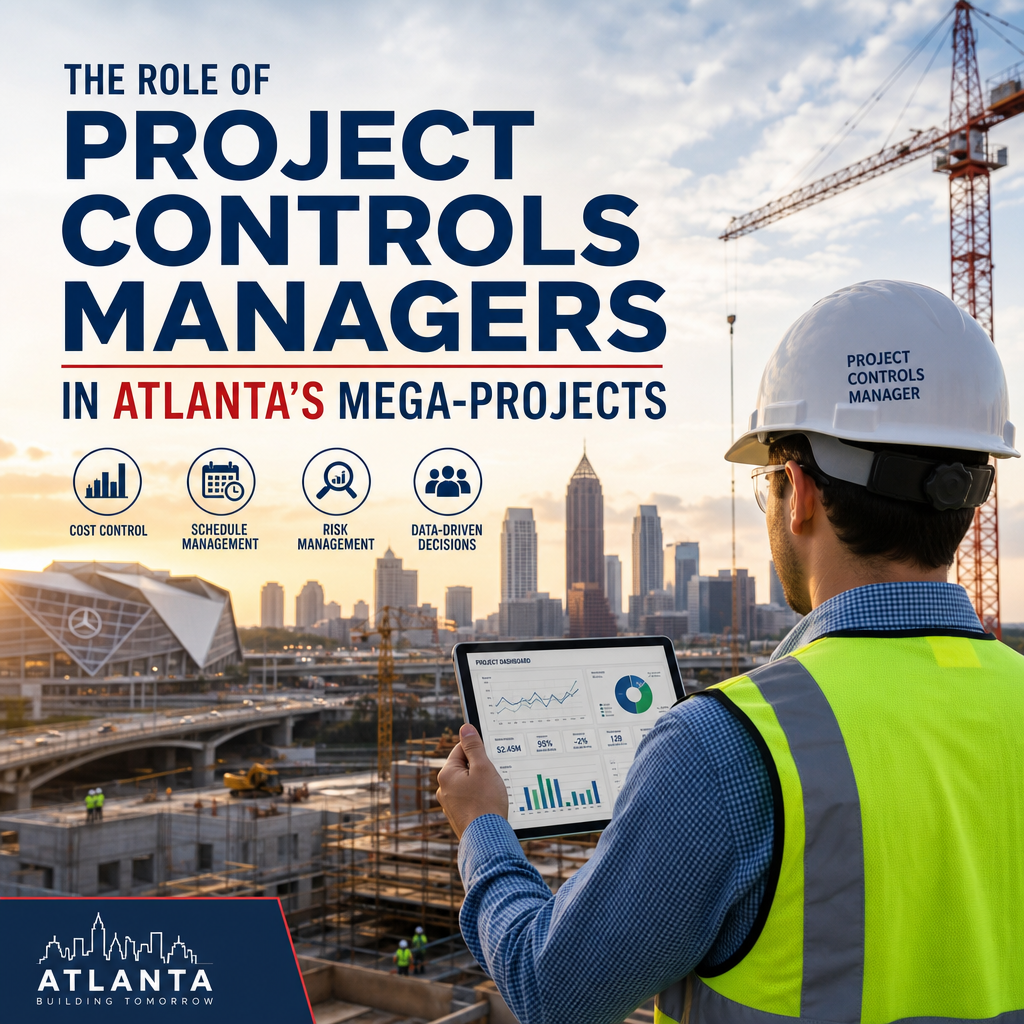
Atlanta is in the middle of a major growth wave. From transportation upgrades and airport expansions to mixed-use developments and large-scale public infrastructure, the city’s mega-projects are reshaping how people live, move, and work. Behind the scenes, one role is essential to keeping these complex efforts on track: the project controls manager.
In large projects, success is not just about building on time. It is about coordinating budgets, schedules, risks, reporting, and scope across dozens of teams and contractors. That is where project controls managers in Atlanta play a critical part.
What a Project Controls Manager Does
A project controls manager helps keep a project organized, measurable, and predictable. They build the systems that track whether a project is staying within budget, meeting deadlines, and controlling changes.

Their work often includes:
- Developing and maintaining project schedules
- Monitoring costs and forecasts
- Tracking progress against baseline plans
- Managing change orders and scope adjustments
- Identifying risks early
- Preparing reports for leadership and stakeholders
On smaller projects, these tasks may be handled by a few people. On Atlanta’s mega-projects, they require a dedicated professional who can manage complexity without losing sight of the big picture.
Why Atlanta’s Mega-Projects Need Strong Project Controls
Atlanta is home to some of the Southeast’s most ambitious construction and infrastructure programs. These projects often involve multiple funding sources, public agencies, private developers, engineers, contractors, and community stakeholders. With so many moving parts, even small delays or cost overruns can create major problems.
A project controls manager brings structure to that complexity. They help answer key questions such as:
- Are we on schedule?
- Are costs aligned with the approved budget?
- Which risks could affect delivery?
- What changes have been approved, and what do they mean for the timeline?
- Are decision-makers getting accurate, timely information?
Without this level of oversight, mega-projects can quickly drift off course.

Keeping Schedules Realistic and Actionable
One of the most important responsibilities of a project controls manager is schedule management. In a city like Atlanta, where weather, traffic, permitting, utility coordination, and supply chain issues can all affect progress, a realistic schedule is essential.
Project controls managers use scheduling tools and data to:
- Set milestones and deadlines
- Track critical path activities
- Spot delays before they spread
- Adjust plans based on actual field progress
- Coordinate between multiple project teams
This proactive approach helps teams make better decisions. Instead of reacting to problems after they grow, they can respond early and protect the overall project timeline.
Managing Costs in High-Stakes Environments
Mega-projects involve major financial investments, so cost control is always a top priority. In Atlanta, where public-private partnerships and large capital programs are common, stakeholders need confidence that funds are being used wisely.
Project controls managers monitor:
- Budget allocations
- Committed costs
- Actual spending
- Forecasted final costs
- Variances from approved plans
They also help teams understand the financial impact of design changes, delays, and contract modifications. This is especially important on projects with strict funding requirements or public accountability.
Supporting Risk and Change Management
Every large project faces uncertainty. Materials may be delayed. Design requirements may change. Site conditions may differ from expectations. Regulations may shift. A strong project controls manager helps identify these risks early and tracks how they affect the project.
They also play a key role in change management. When scope changes happen—and they often do on mega-projects—they help document the impact on cost, schedule, and resources. This keeps the project team aligned and reduces the chance of disputes later.
In practice, this means:
- Logging changes clearly
- Reviewing schedule and budget effects
- Coordinating approvals
- Maintaining accurate records
- Helping leadership make informed decisions
Bridging the Gap Between Field and Leadership
Project controls managers are often the link between what is happening on the ground and what executives or owners need to know. Field teams focus on daily execution, while leadership needs big-picture visibility. Project controls translate progress into data that can guide decisions.
This role is especially valuable on Atlanta mega-projects, where different teams may work across multiple sites or phases. Accurate reporting helps ensure everyone is working from the same information.
The Skills That Make the Role Effective
A successful project controls manager needs more than technical knowledge. They also need communication, organization, and problem-solving skills.
Key strengths include:
- Strong analytical ability
- Familiarity with scheduling and cost tools
- Attention to detail
- Clear communication
- Ability to work across teams
- Understanding of construction or infrastructure delivery
In a fast-growing city like Atlanta, these skills are in high demand because projects must move quickly without sacrificing control.
A Vital Role in Atlanta’s Future
As Atlanta continues to expand, mega-projects will remain a defining part of the city’s future. Whether the focus is transit, commercial development, airports, or civic infrastructure, these projects depend on disciplined planning and oversight.
Project controls managers help make that possible. They provide the insight, structure, and accountability needed to keep complex programs moving forward. In a landscape where every delay and dollar matters, their role is not just helpful—it is essential.