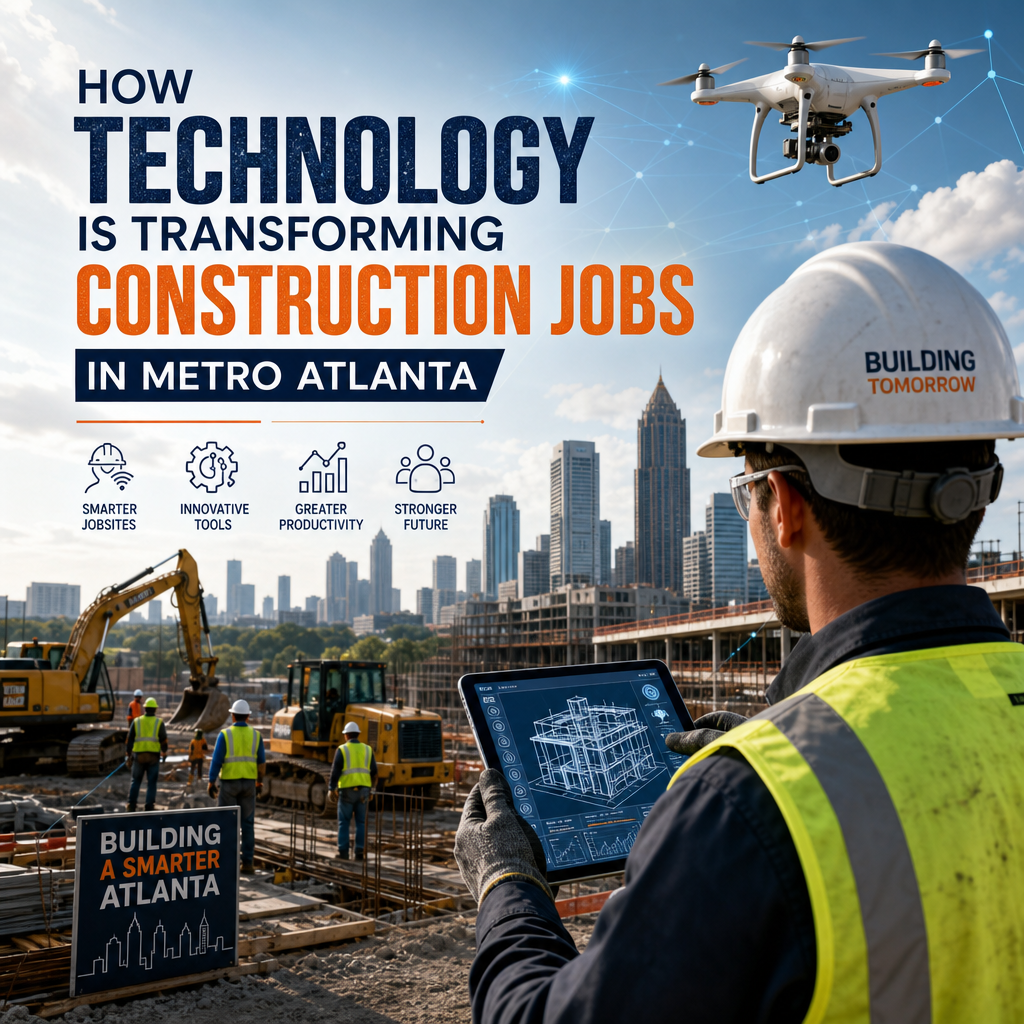
How Technology Is Transforming Construction Jobs in Metro Atlanta
How Technology Is Transforming Construction Jobs Across Metro Atlanta
Construction in Metro Atlanta is changing fast. From downtown high-rises to suburban developments and infrastructure upgrades, technology is reshaping how projects are planned, managed, and completed. These changes are improving efficiency, safety, and precision while also creating new expectations for workers, contractors, and project managers.
As the region continues to grow, the construction industry is relying more heavily on digital tools and modern equipment to keep up with demand. The result is a job site that looks very different from just a decade ago.
Smarter Planning Before the First Shovel Hits the Ground
One of the biggest changes in construction jobs across Metro Atlanta is happening long before workers arrive on site. Digital planning tools now help teams map out projects in more detail than ever before.

Building Information Modeling
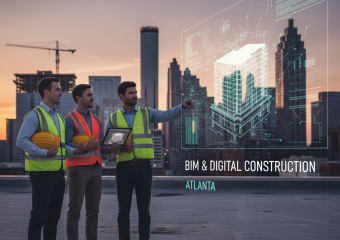
Building Information Modeling, or BIM, allows project teams to create detailed 3D models of buildings and infrastructure before construction begins. These models help identify conflicts early, reduce costly errors, and improve collaboration between architects, engineers, and contractors.
For Metro Atlanta projects, BIM is especially valuable on dense sites where space is limited and every inch matters. It helps teams coordinate utilities, structural elements, and mechanical systems before work starts.
Better Project Coordination
Cloud-based project management platforms are also making communication faster and more reliable. Crews can access updated plans, schedules, and documents from tablets or smartphones, reducing delays caused by outdated paperwork or missed instructions.
This kind of coordination is especially useful on large developments, where multiple subcontractors may be working at the same time.
New Tools Are Improving Job Site Safety
Safety has always been a top priority in construction, but technology is helping reduce risk in new ways. On busy Metro Atlanta job sites, that can make a major difference.
Wearable Safety Devices
Some companies now use wearable technology that tracks movement, monitors fatigue, or alerts supervisors when workers enter dangerous areas. These devices can help prevent accidents and improve response times during emergencies.
Drones for Site Inspections
Drones are becoming a common sight on construction sites. They can inspect roofs, survey land, and capture aerial images without putting workers in hazardous positions. Drones also speed up inspections and provide more accurate visual records of job progress.
Remote Monitoring
Cameras and sensors can now track site activity in real time. Managers can monitor equipment usage, detect potential hazards, and make adjustments without needing to be physically present at every location.
In a fast-moving market like Metro Atlanta, these tools help teams stay ahead of problems before they become costly setbacks.
Equipment Is Getting Smarter
Heavy machinery is no longer just about power. Today’s construction equipment often includes GPS guidance, automation features, and digital controls that make work more precise and efficient.
Precision Earthmoving
GPS-enabled machines can grade land with greater accuracy, which reduces wasted materials and helps crews complete work faster. This is especially helpful on highway projects, commercial builds, and large residential developments around the metro area.
Automated and Semi-Automated Machinery
Some equipment now assists operators with repetitive or complex tasks. While workers still play a critical role, automation can reduce physical strain and improve consistency on the job.
This shift does not replace skilled labor. Instead, it changes the nature of the work and creates demand for operators who understand both machinery and technology.
Technology Is Changing the Skills Construction Workers Need
As construction jobs across Metro Atlanta become more tech-driven, the workforce is adapting. Workers today need more than traditional hands-on experience. They also need digital literacy and comfort with new systems.
More Training Opportunities
Many employers are investing in training so workers can use software, tablets, drones, and smart equipment effectively. Apprenticeships and on-the-job learning now often include technology skills alongside core construction knowledge.
New Career Paths
Technology is also opening doors to new roles in the industry, including:
- Drone operators
- Construction software coordinators
- BIM technicians
- Equipment technology specialists
- Site data analysts
These roles show how modern construction is expanding beyond manual labor and creating more diverse career opportunities.
Why Metro Atlanta Is Embracing Construction Tech
Metro Atlanta is one of the fastest-growing regions in the Southeast, which means construction companies face constant pressure to deliver projects quickly and efficiently. Technology helps meet that demand.
It supports faster project delivery, improves quality control, and helps companies stay competitive in a crowded market. It also makes it easier to handle the complexity of building in a region with heavy traffic, dense development, and a mix of old and new infrastructure.
From hospitals and schools to office buildings and road expansions, the need for innovation is shaping the future of local construction.
The Future of Construction Jobs in Metro Atlanta
Technology will continue transforming construction jobs across Metro Atlanta in the years ahead. Artificial intelligence, robotics, digital twins, and advanced analytics are already beginning to influence how teams plan and manage work.
While these tools will change many day-to-day tasks, they will not eliminate the need for skilled workers. Instead, the industry will increasingly depend on people who can combine practical construction knowledge with technical expertise.
For workers, that means new opportunities to grow and specialize. For employers, it means greater efficiency and better results. And for Metro Atlanta, it means construction that is smarter, safer, and better prepared for the future.